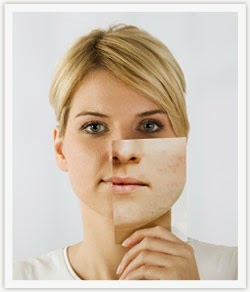
Acne not only affects teenagers but also affects adults as well. While some teens with acne may notice acne disappear as they enter adulthood, for other teens, it may continue unabated into adulthood while for others who may never have had acne in their teens, they may suddenly develop adult acne. Acne is the most common skin condition and before we look into how to stop acne, we need to get an understanding of this common skin condition.
What is Acne?
Acne vulgaris as mentioned previously is one of the most common skin conditions that affects people all over the world (over 80 percent of people). Acne represents the appearance of small raised bumps or pustules (pimples or large cysts). Although the complete understanding of what causes acne is still a work in progress, several theories tie it to genes as well as hormone activity.
Hormones are believed to be a big part of what causes acne specifically the male sex hormone testosterone. Both men and women have this male hormone with men obviously having more of testosterone than women. When male hormone levels increase in men and women, it stimulates the sebaceous (oil) glands in the skin to produce excessive amounts of sebum (oil).
These excessive amounts of sebum end up clogging the pores as they are released by the sebaceous glands into the hair follicles that the sebaceous glands surround. The clogged pores then allow certain bacteria (propionibacterium acne) to fester and multiply which then leads to this bacteria releasing certain enzymes that lead to the inflammation of the hair follicles (sebaceous glands are attached to hair follicles). This inflammation may result in swelling followed by rapture which then allows the bacteria to spread onto the skin leading to various acne blemishes.
The raised swellings resulting from acne are frequently found on the face, back, neck, chest as well as the shoulders. These bumps can be painful or sore and may even itch. In severe cases, acne may feature pus filled sacs that break open leading to the discharge of the fluid. While hormonal imbalance at puberty is believed to be one of the causes of acne, hormonal imbalance can also occur around the time of the menstrual cycle, during stressful times, etc.
Acne can also be caused by the use of certain cosmetics that are comedogenic (pore clogging) and this is known as acne cosmetic. Certain drugs may also lead to acne (acne medicametosa) such as some epilepsy medications. There is another type of acne known as acne rosacea which is a different type of severe acne altogether that usually affects those over the age of 40. Acne rosacea is a complication of the skin condition rosacea and is different from other types of acne because it features inflammation (swelling), redness as well as dilated blood vessels. It is also usually centered around the nose and cheeks and rarely includes blackheads but instead includes a lot of pustules (pimples containing pus).
How to Stop Acne
Seeing as this skin condition affects more than 80 percent of the general population, it can be difficult but not impossible to treat so that you can have clear skin free of blemishes or at least keeping breakouts to a minimum. Most of us like looking good and dealing with acne can prevent this from happening which is why severe acne can rob a sufferer of their self-esteem. Acne eruptions can cause one to hide away and not interact with people because you may feel like other people are judging you negatively because of the acne. If acne is a big problem, here are some tips on how to stop acne and have clear skin;
1. Proper Cleansing
Keeping the face clean with an oil free cleanser is sometimes all you need or a step in the right direction especially in cases of mild acne. Washing the face more than twice a day may be too taxing on the skin though causing it to dry out which then causes the sebaceous glands to go into overdrive producing excessive amounts of sebum or oil. Do use a gentle hand too. Being overly aggressive to get your skin clear and free of oil by using rough wash cloths, scrubs, etc, can make an already bad situation worse. So be gentle with your skin. It is not your enemy even if it may feel like it at times.
2. Benzoyl Peroxide, Salicylic Acid, Sulfur, etc
These are generally over the counter medications that can be used quite effectively for acne treatment and are usually included in cleansers, toners, moisturizers, masks, etc, to help kill the acne causing bacteria as well as normalize excessive oil production. Some of these ingredients though such as salicylic acid and sulfur may be too irritating and drying for certain people's skin and may actually make acne worse.
If this is the case for you, start at the lowest concentration and only use products containing these active ingredients once a day and gradually build up to twice a day as your skin gets more tolerant. Another alternative is to switch to benzoyl peroxide. Many dermatologists actually believe that benzoyl peroxide is the most effective acne ingredient that is available over the counter but you also want to start at the lowest concentration especially if you have sensitive skin.
3. Prescription Medications
For moderate acne that may not respond to the above methods, eliminating this type of acne may require prescription antibiotics applied topically or taken orally to fight infection associated with acne development. If antibiotics (tetracycline, doxycycline, etc) fail to work, using several vitamin A derivatives known as retinoids may be the next step. The common vitamin A derivatives used for acne treatment include retinoids such as isotretinoin (Accutane). Others include Differin and so on and so forth. These retinoids are usually recommended in severe cases of acne such as cystic acne that is unresponsive to other treatment methods.
The retinoids used work by getting to deeper levels of the skin to shrink the sebaceous glands which then helps to decrease oil production. Decreased oil production means less chance of clogged pores and less bacteria caught in these clogged pores. While these retinoids can be very effective, some can be very drying on the skin and worst of all, many of them can cause birth defects. So if you are pregnant, or are thinking of getting pregnant in the future, do avoid using retinoids. Even if you stop taking these medications, they may stay in your system for many months or years before they are eliminated from your body which is something to keep in mind.
4. Birth Control
When adult acne becomes an issue for many women, one of the causes is usually fluctuations in hormone levels. This is another reason that some women report breakouts around the time of their menstrual cycle. In such cases, the use of certain birth control pills is one of the best ways on how to stop acne. Low dosage estrogen birth control pills can help to regulate estrogen levels to help balance hormones. Other pills can also be used that target various other hormones in the body to help balance hormone levels and thereby reduce or eliminate hormone triggered acne.
5. Stress
Hormone levels can also be affected by stress levels, If you suffer from chronic stress, it may lead to hormonal imbalances which may lead to acne as well as many other more dangerous effects of chronic stress. Stress is normal but if you live with chronic stress day in and day out, your body and your skin will suffer so look for ways to properly manage stress.